卐𓆝 𓆟 𓆞r̾eⷲsͣe̾aͭrͥcⷦhͣ
Tomb of Nawab Islam Khan, Fatehpur Sikri #funerary
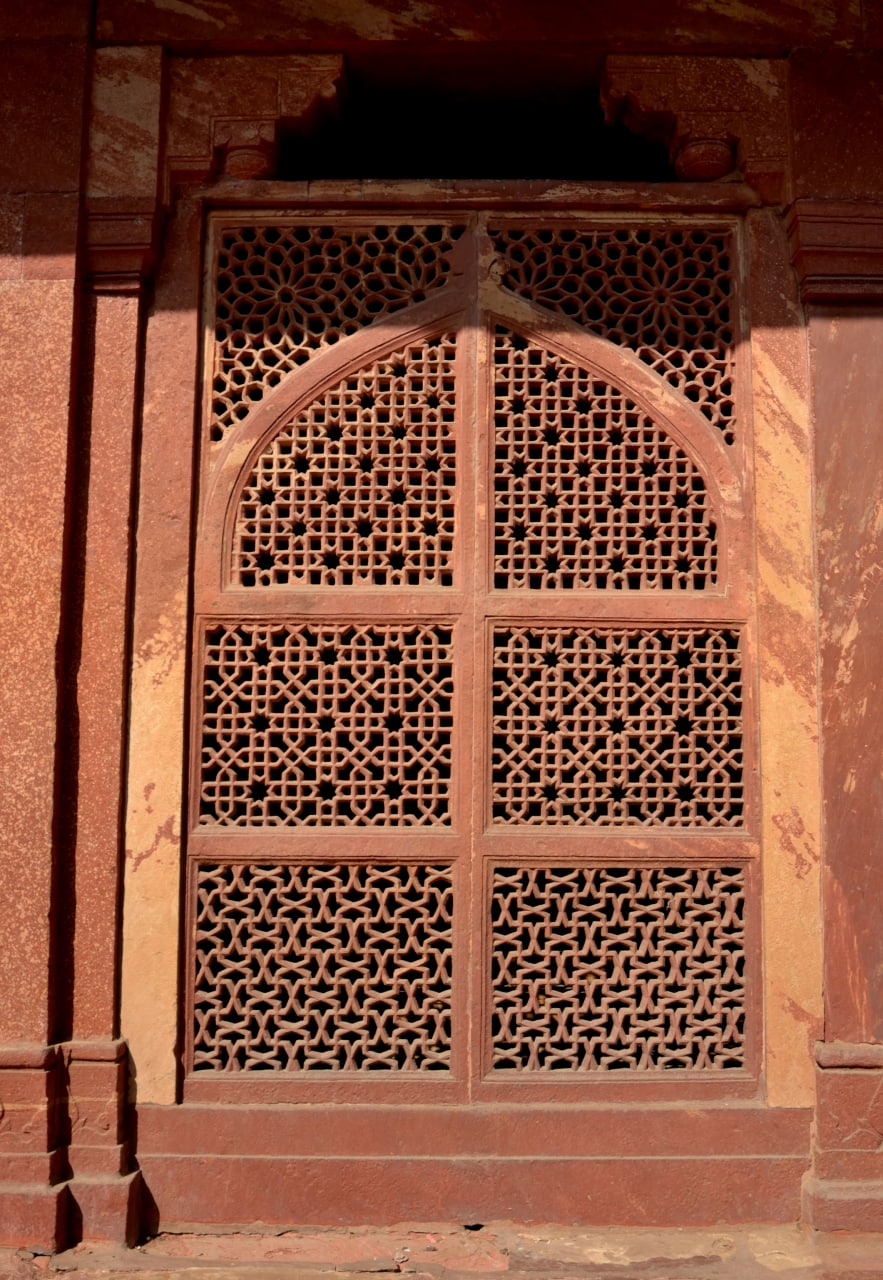
Tomb of Nawab Islam Khan, Fatehpur Sikri #funerary
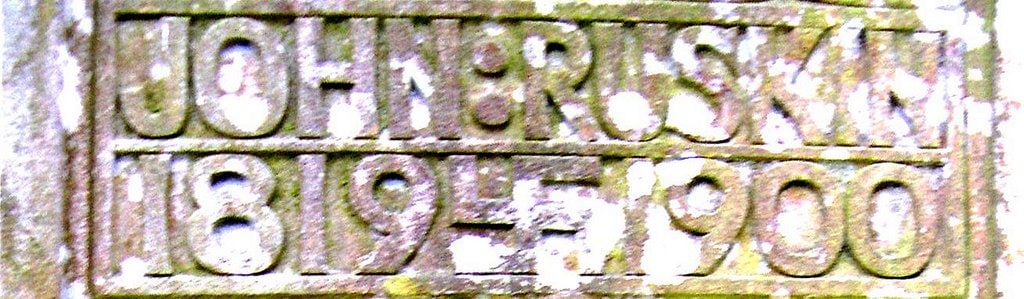
The grave stone of John Ruskin. John Ruskin (8 February 1819 – 20 January 1900) was a British art critic and social thinker, also remembered as an author, poet and artist. His essays on art and architecture were extremely influential in the Victorian and Edwardian eras. #funerary
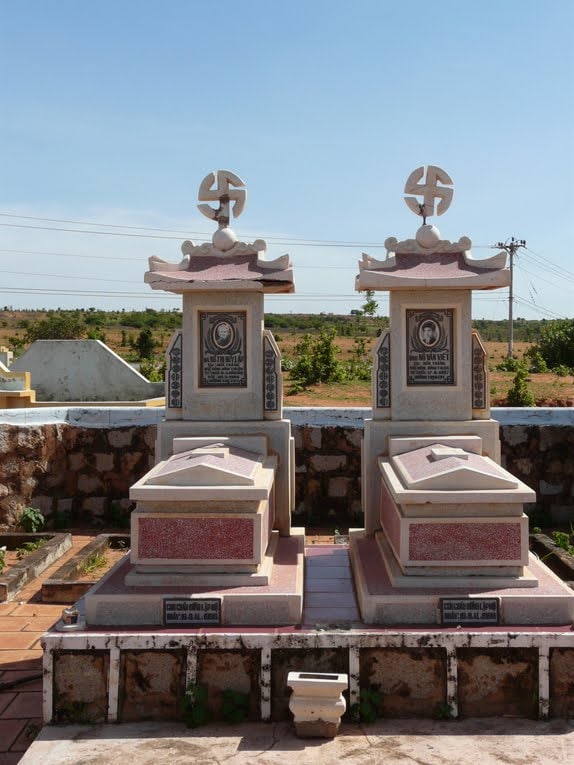
Nhatrang, Vietnam #funerary
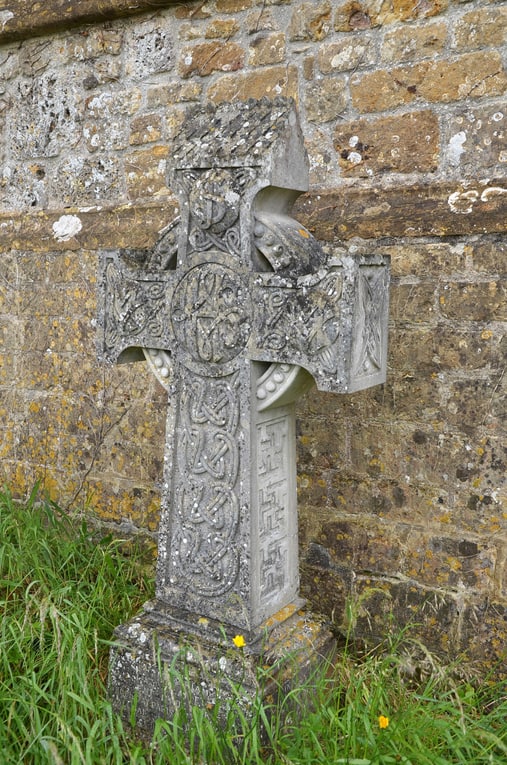
Beaminster St Mary's church, a ornate tombstone #funerary
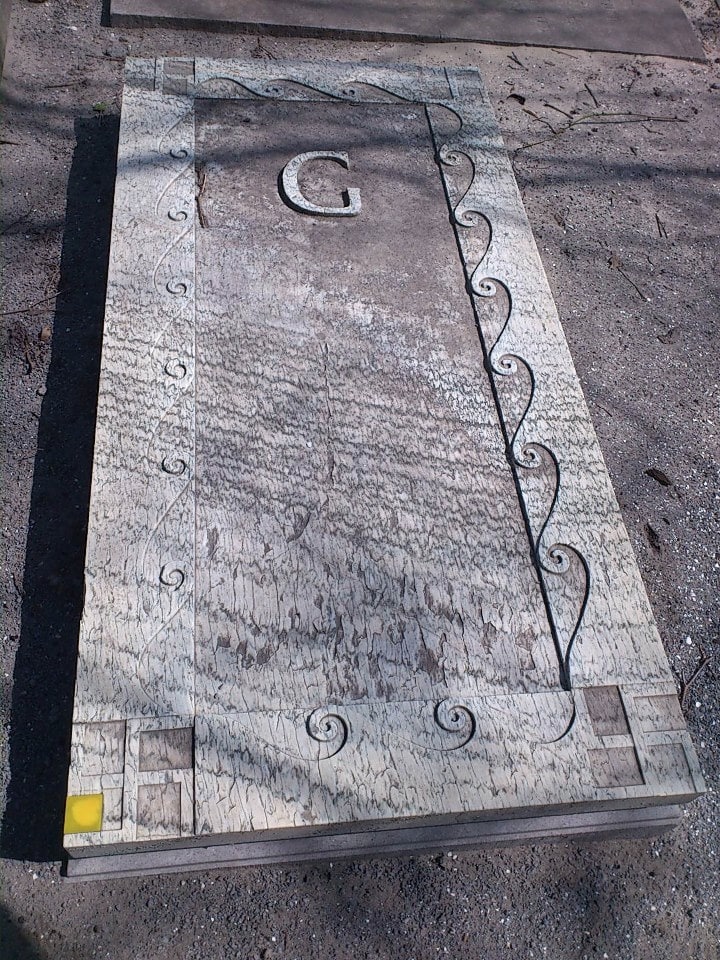
Gravestone at Oud Eijk en Duijnen in the Hague. #funerary
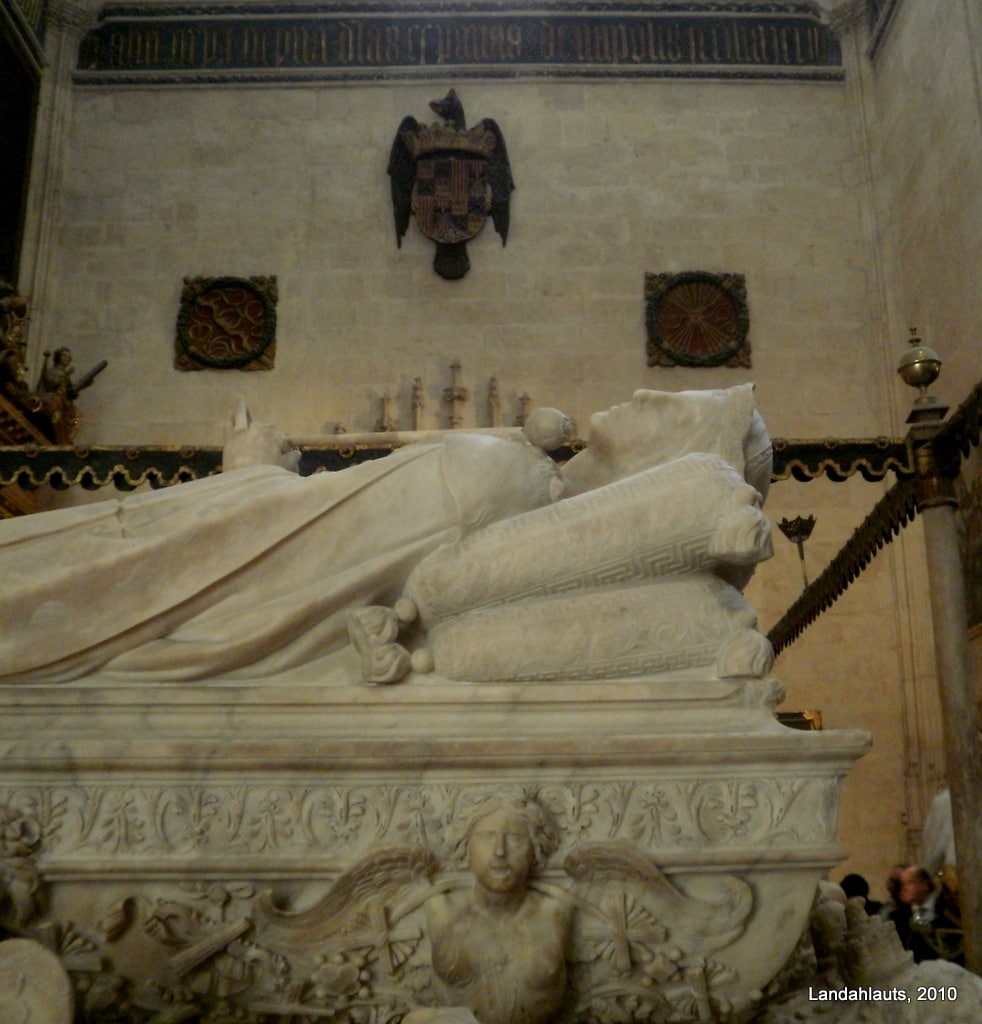
The Royal Chapel is located between Granada Cathedral, the old Fish Market and the Church of Sagrario. The construction of the Royal Chapel of Granada wss ordered by the Catholic Monarchs in 1504 as a place of burial for their bodies. Here are present the bodies of the Santos Juanes. #funerary
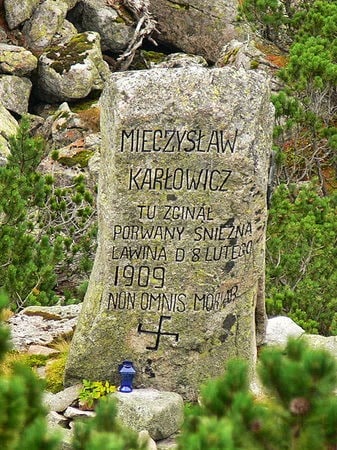
Karłowicz died at the age of 32 in an avalanche while skiing on an excursion of the Tatra mountains in 1909. Karłowicz's Stone in the Tatra Mountains marking the spot where the composer's body was found. #funerary
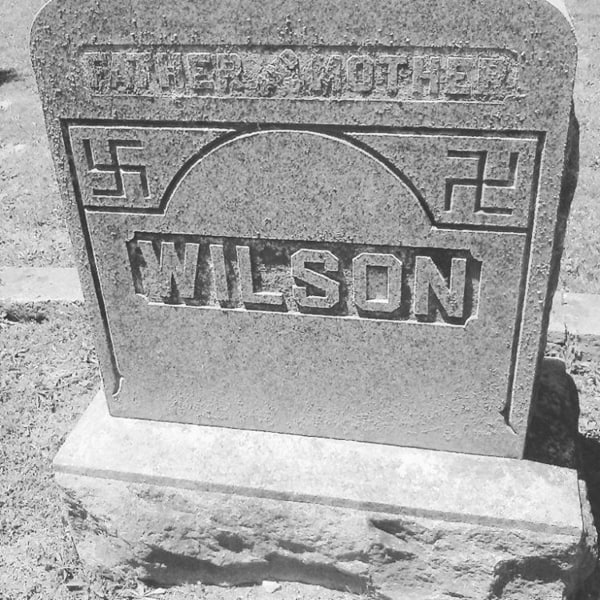
Father and Mother Wilson gravestone #funerary
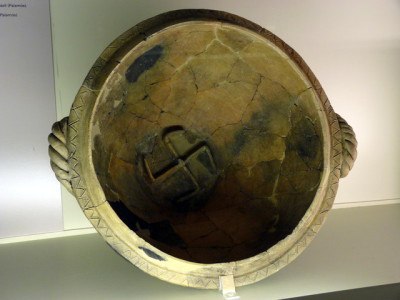
Iberian #funerary urn, decorated with a swastika. Archaeological museum in Barcelona.
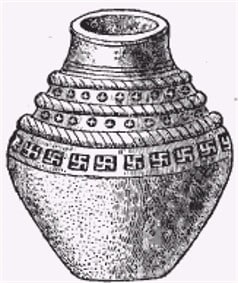
Fylfots on #funerary Urn 5th Century CE. Norfolk, England
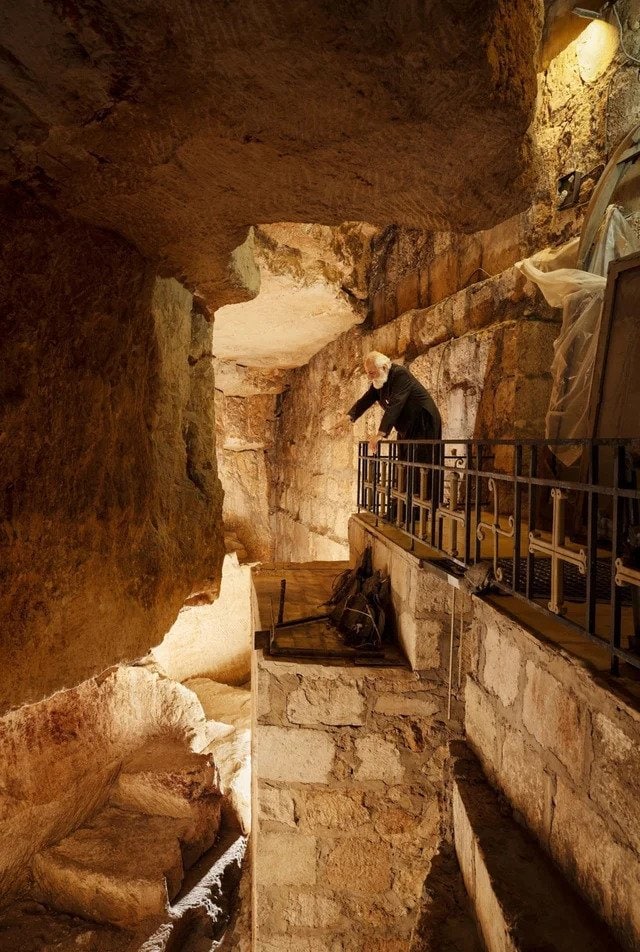
Below the Church of the Holy Sepulchre in Jerusalem’s Christian Quarter, Father Samuel Aghoyan views a quarry that was used as a cemetery (swastika on railing) #funerary
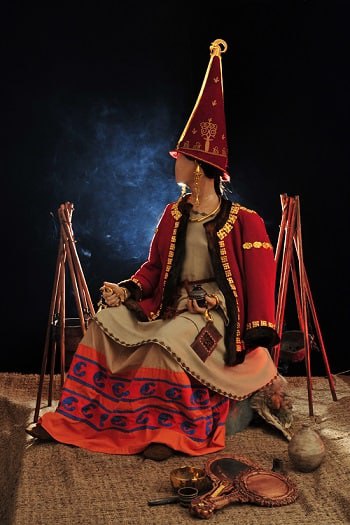
#Scythian Princess discovered in Taksai-1 kurgan #funerary burial mound (West #Kazakhstan 6th to 5th centuries BC) Fig. 2 Swastika shaped plaques depicting four griffin heads arranged in a circular composition. Fig, 5 Square shaped plaques depicting two opposing heads of rams. Fig. 6 The sleeves of the garment were adorned with wolf fangs in gold rim. Fig 7. Detail of a bracelet It is interesting
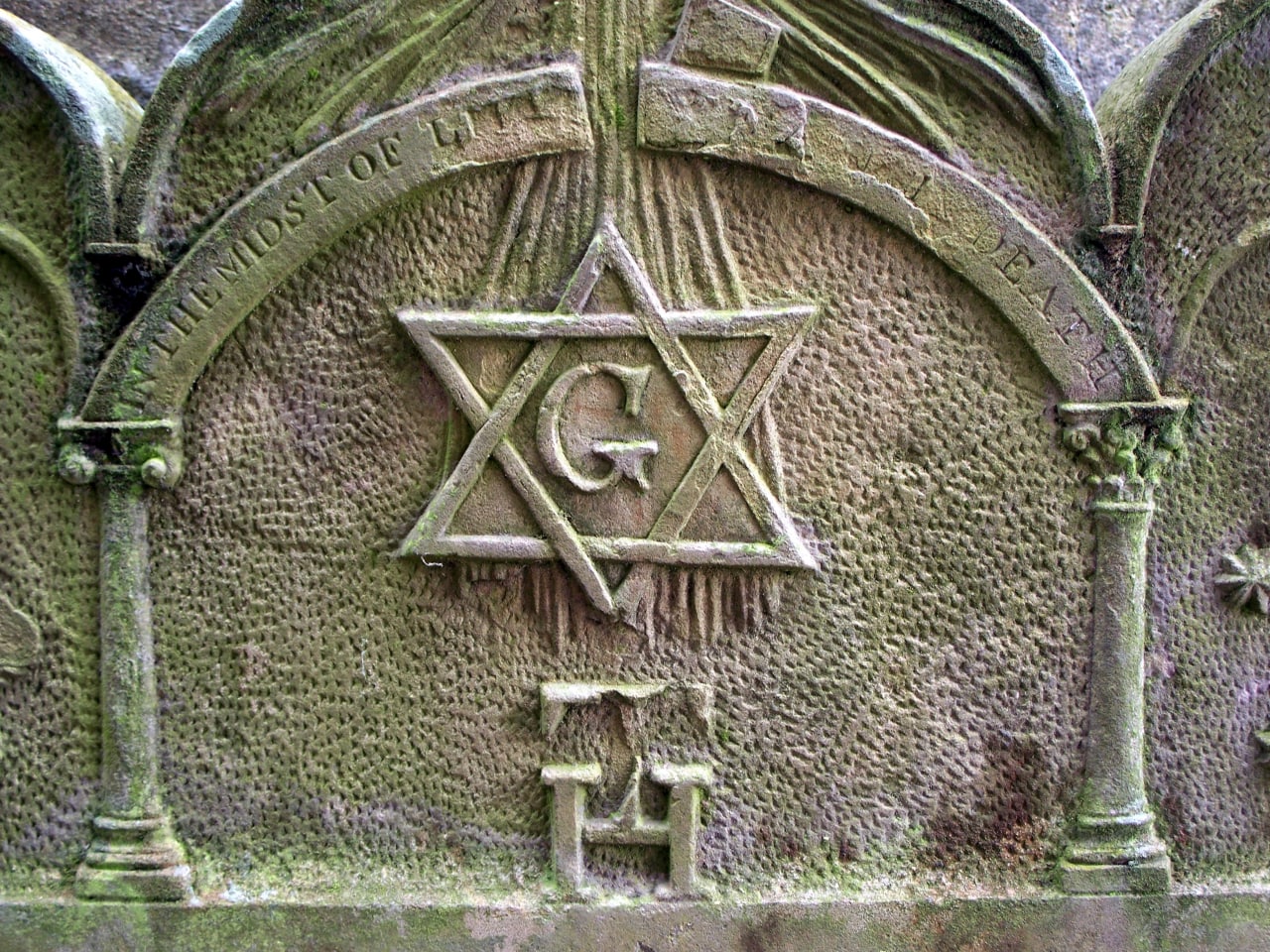
Freemasonic hexagram engraved on a tombstone. The 'G' in the centre of the Star of David means “God”, Geometry or the Greek letter Gamma, and is a Masonic symbol. To be more exact, the Free Masons call this symbol Solomon Seal, since King Solomon is considered to be the first Free Mason. Besides, the #hexagram was called Solomon's Seal for a few hundred years before being renamed the Star of David
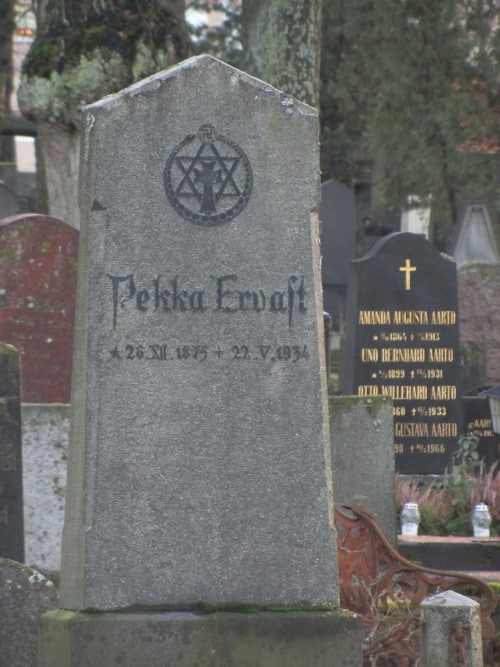
I assume this is a Theosophist's grave in #Finland #funerary
As important as the swastika is to Buddhism, it has an even more vital role in the other major religion of Tibet: Bon. The swastika is the main epithet for that religion, which has called itself Yungdrung or the ‘Eternal’ Bon for a thousand years. According to the Bon tradition, g.yung drung means ‘unborn, undying’, and is synonymous with eternity, immutability and imperishability. In the Yungdrun
Swastika as a common motif on Eastern Serbian tombstones, as well as three or four suns, usually on male tombstones. Late 18th, early 19th century #yugoslavia #funerary