Three #Bön scriptures—mdo 'dus, gzer mig, and gzi brjid—relate the mythos of Tonpa Shenrab Miwoche. The Bonpos regard the first two as gter ma rediscovered around the tenth and eleventh centuries and the last as nyan brgyud (oral transmission) dictated by Loden Nyingpo, who lived in the fourteenth century.[21] In the fourteenth century, Loden Nyingpo revealed a terma known as The Brilliance (Wylie
The Swastika, Stepped Shrine, Priest, Horned Eagle, and Wild Yak Rider — Prominent antecedents of Yungdrung Bon figurative and symbolic traditions in the rock art of Upper Tibet John Vincent Bellezza (Tibet Center, University of Virginia) #Bön #Tibet
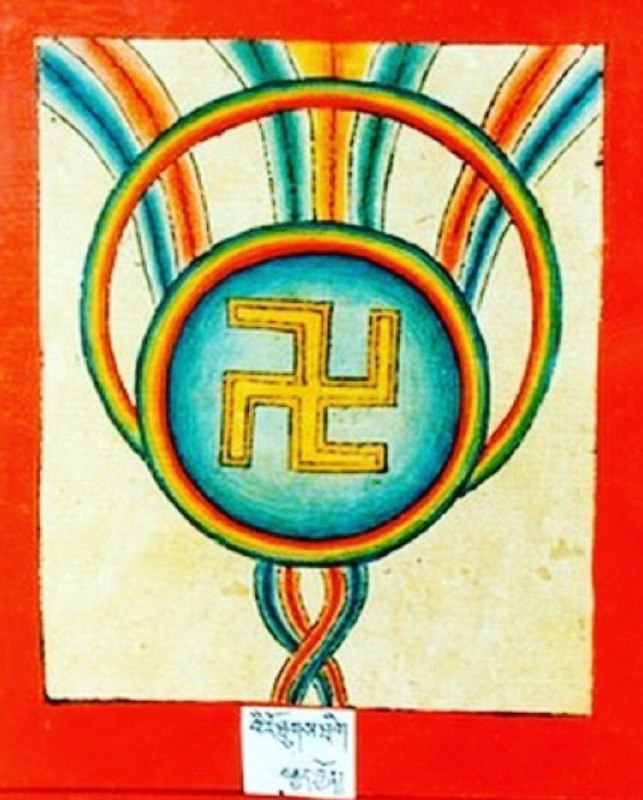
As important as the swastika is to Buddhism, it has an even more vital role in the other major religion of Tibet: Bon. The swastika is the main epithet for that religion, which has called itself Yungdrung or the ‘Eternal’ Bon for a thousand years. According to the Bon tradition, g.yung drung means ‘unborn, undying’, and is synonymous with eternity, immutability and imperishability. In the Yungdrun
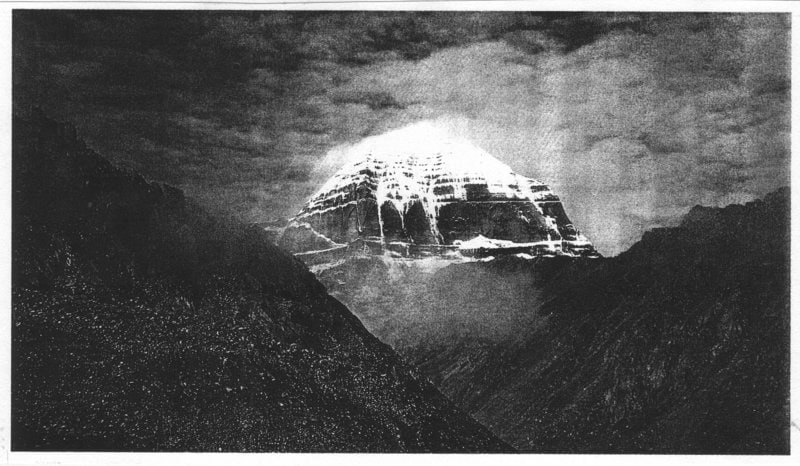
The holy Mountain Kailash, #Tibet The Tibetan name for the mountain is Gangs Rin-po-che. Gangs or Kang is the Tibetan word for snow peak analogous to alp or himal; rinpoche is an honorific meaning "precious one" so the combined term can be translated "precious jewel of snows". "Tibetan Buddhists call it Kangri Rinpoche; 'Precious Snow Mountain'. #Bön texts have many names: Water's Flower, Mountain
The yungdrung is the principal symbol of the #Bön Religion, also known as the Yungdrung Bon, Ever-lasting Truth. Letters are sometimes added to the legs of the yungdrung which can represent the elements of nature or mental states. The most basic and iconic Bon yungdrung always depicts the legs turning to the left. There are other types of Bon yungdrung such as the yungdrung scepter sometimes held
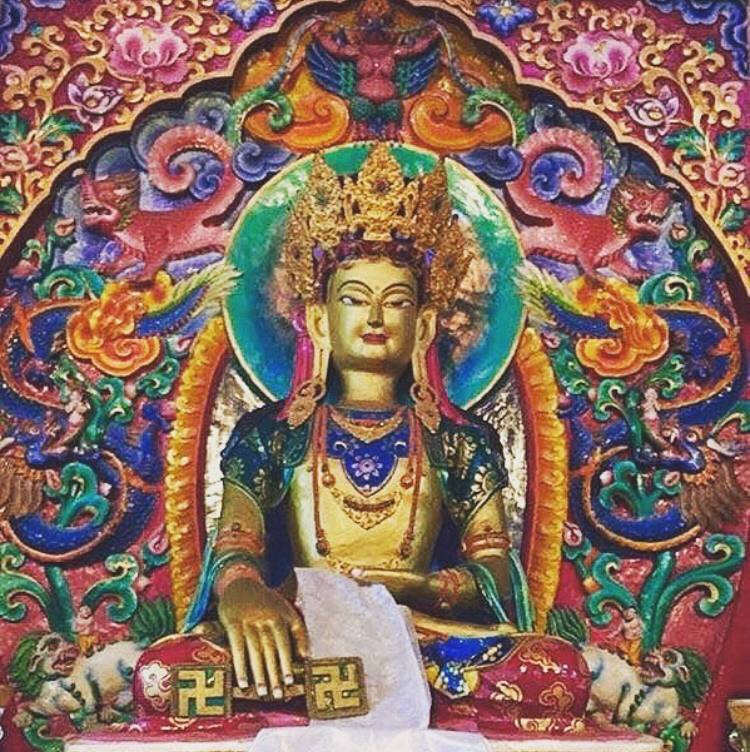
The Deity of Longevity, Tsewang Rikdzin. This longevity practice is one of the tantric practices classified in the Eighth Way among the None Ways of #Bön #Tibet